
Tel: 020 7620 1818 email: cookandbutler@btconnect.com
The Worshipful Company of Curriers
www.curriers.co.uk
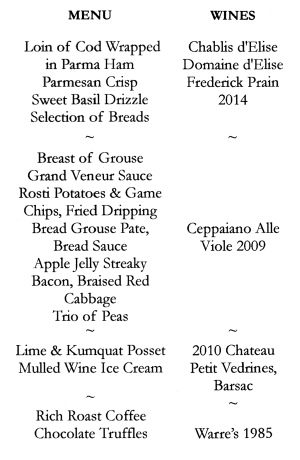
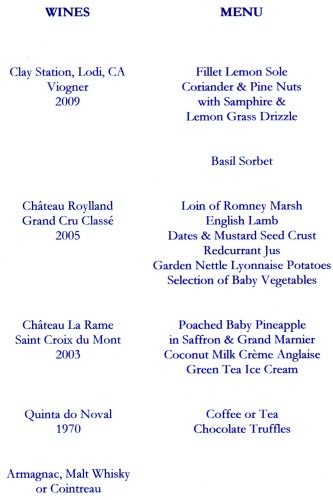
Court & Livery Dinner
November 2016, Cutlers' Hall, London


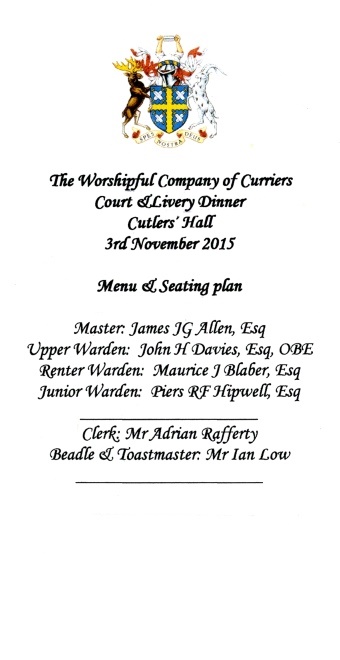
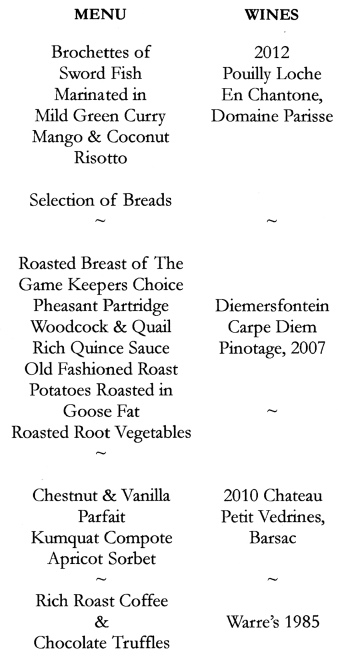
Court & Livery Dinner
November 2015, Cutlers' Hall, London
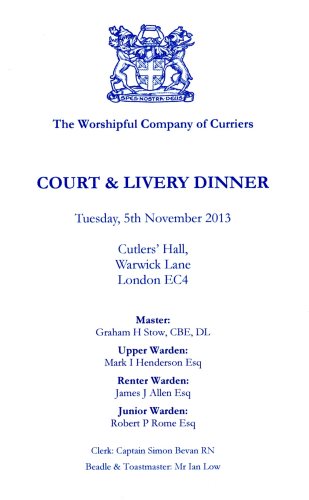
Court & Livery Dinner
November 2013, Cutlers' Hall, London
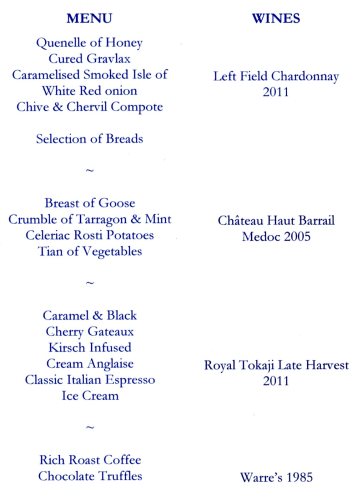
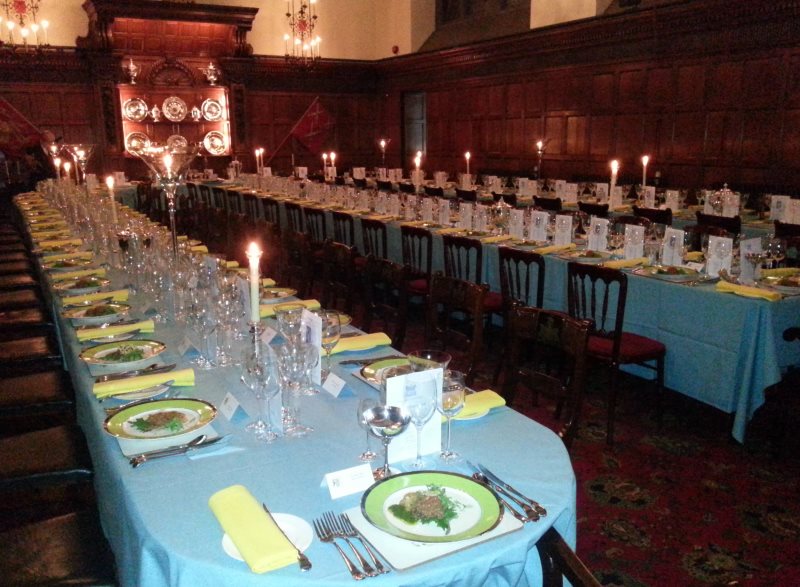
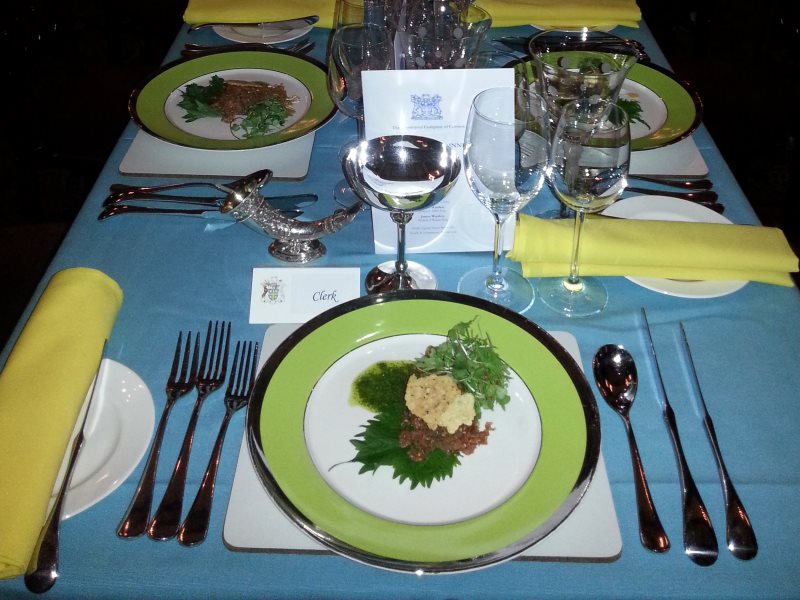
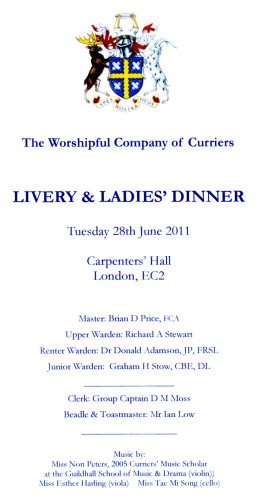
Livery & Ladies' Dinner
Carpenters' Hall, London, June 2011
The Curriers’ Company
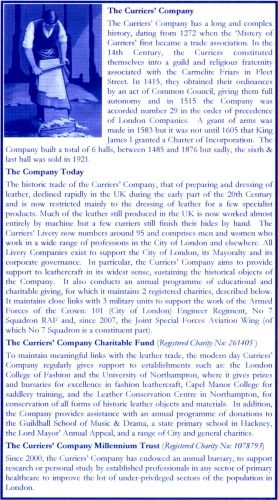
The Curriers’ Company has a long and complex history, dating from 1272 when the ‘Misterv of Curriers’ first became a trade association. In the 14th Century, the Curriers constituted themselves into a guild and religious fraternity associated with the Carmelite Friars in Fleet Street. In 1415, they obtained their ordinances by an act of Common Council, giving them full autonomy and in 1515 the Company was accorded number 29 in the order of precedence of London Companies. A grant of arms was made in 1583 but it was not until 1605 that King James I granted a Charter of Incorporation. The Company built a total of 6 halls, between 1485 and 1876 but sadly, the sixth & last hall was sold in 1921.
The Company Today
The historic trade of the Curriers’ Company, that of preparing and dressing of leather, declined rapidly in the UK during the early part of the 20th Century and is now restricted mainly to the dressing of leather for a few specialist products. Much of the leather still produced in the UK is now worked almost entirely by machine but a few curriers still finish their hides by hand. The Curriers’ Livery now numbers around 95 and comprises men and women who work in a wide range of professions in the City of London and elsewhere. All Livery Companies exist to support the City of London, its Mayoralty and its corporate governance. In particular, the Curriers’ Company aims to provide support to leathercraft in its widest sense, sustaining the historical objects of the Company. It also conducts an annual programme of educational and charitable giving, for which it maintains 2 registered charities, described below. It maintains close links with 3 military units to support the work of the Armed Forces of the Crown: 101 (City of London) Engineer Regiment, No 7 Squadron RAF and, since 2007, the Joint Special Forces Aviation Wing (of which No 7 Squadron is a constituent part).
The Curriers’ Company Charitable Fund (Registered Charity No: 261405)
To maintain meaningful links with the leather trade, the modern day Curriers’ Company regularly gives support to establishments such as: the London College of Fashion and the University of Northampton, where it gives prizes and bursaries for excellence in fashion leathercraft, Capel Manor College fur saddlery training, and the Leather Conservation Centre in Northampton, for conservation of all forms of historic leather objects and materials. In addition, the Company provides assistance with an annual programme of donations to the Guildhall School of Music & Drama, a state primary school in Hackney, the Lord Mayor’ Annual Appeal, and a range of City and general charities.
The Curriers’ Company Millennium Trust (Registered Charity No: 1078793)
Since 2000, the Curriers’ Company has endowed an annual bursary, to support research or personal study by established professionals in any sector of primary healthcare to improve the lot of under-privileged sectors of the population in London.