
Tel: 020 7620 1818 email: cookandbutler@btconnect.com
The Worshipful Company of Poulters
www.poulters.org.uk
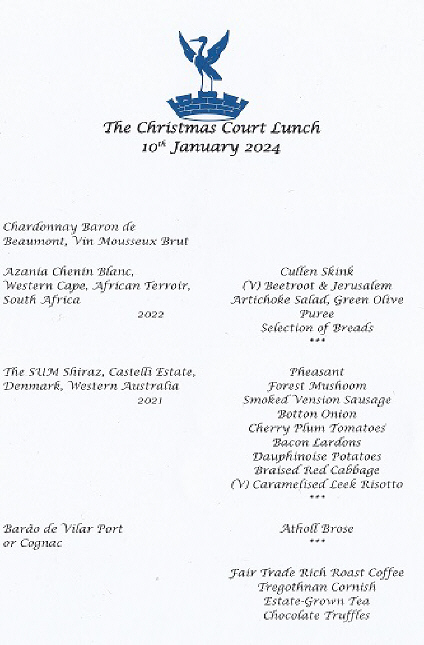
The Christmas Court Luncheon
10th
January 2024, City of London
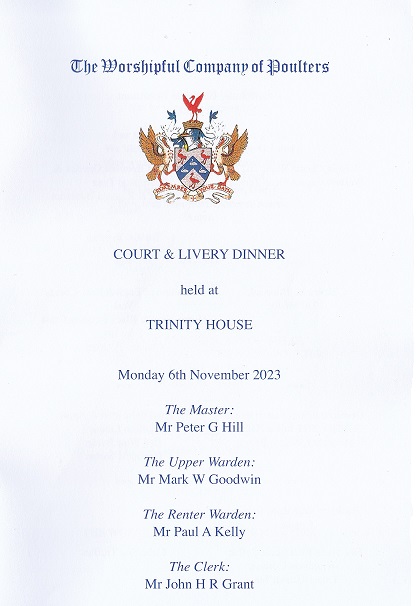
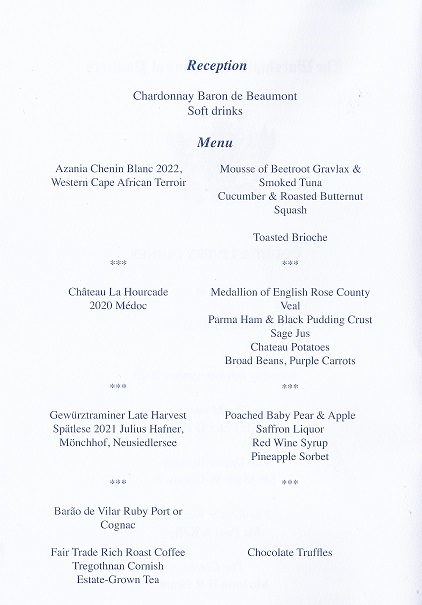
Court & Livery Dinner
6th November 2023, Armourers' Hall, London
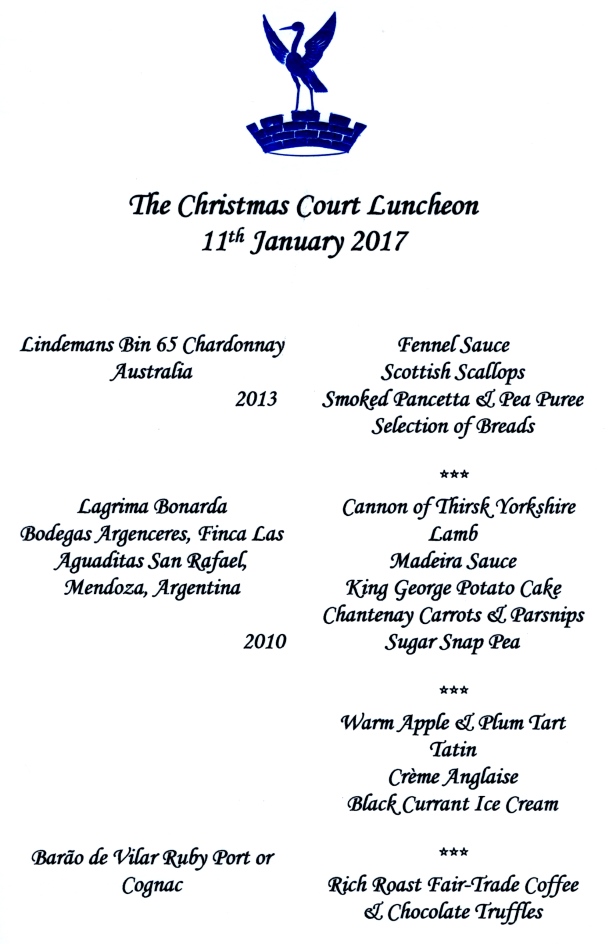
Christmas Court Luncheon
January 2017, City of London

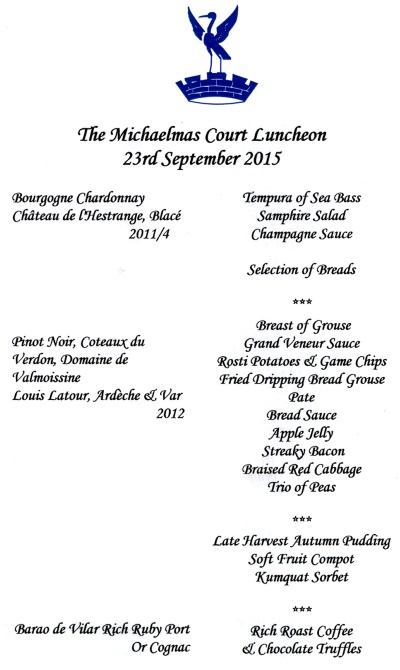
Michaelmas Court Luncheon
September 2015
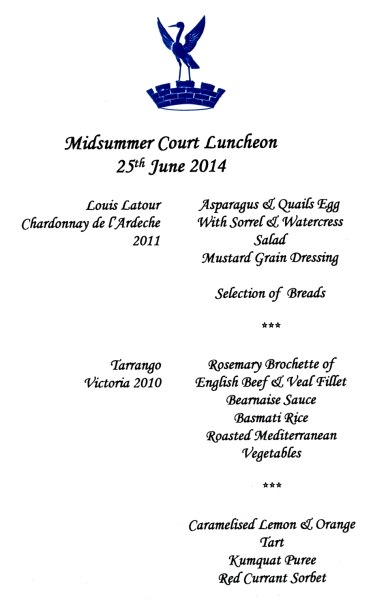
Midsummer Court Luncheon
June 2014, Armourers' Hall, London
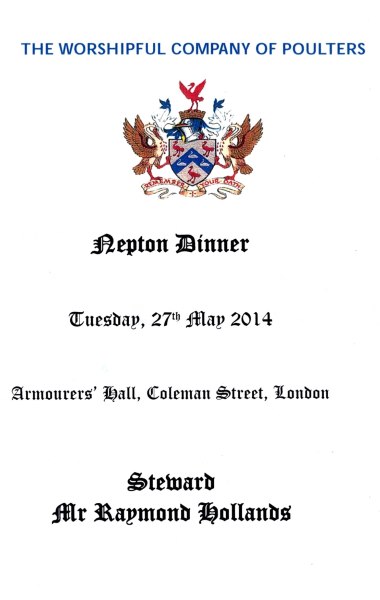
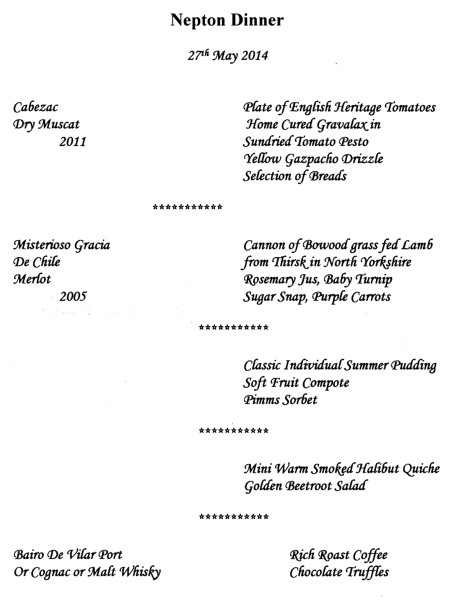
Nepton Dinner
May 2014, Armourers' Hall, London
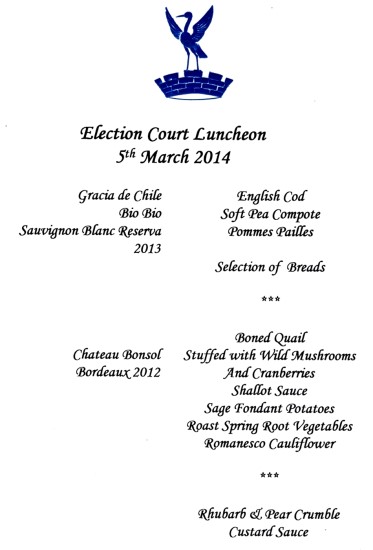
Ash Wednesday Election Court Luncheon
March 2014, Armourers' Hall, London
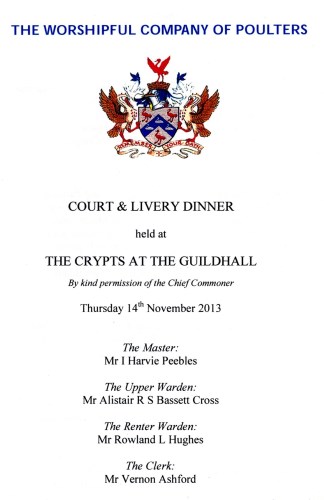
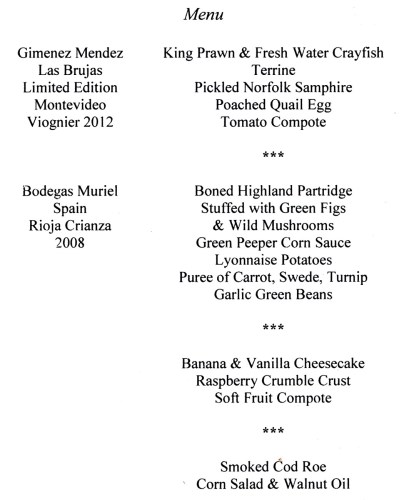
Court & Livery Dinner
November 2013, The Crypt, Guildhall, City of London
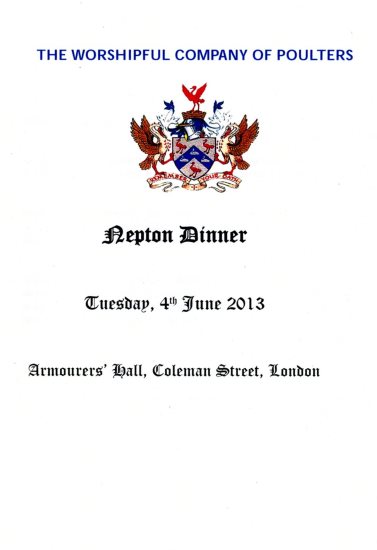
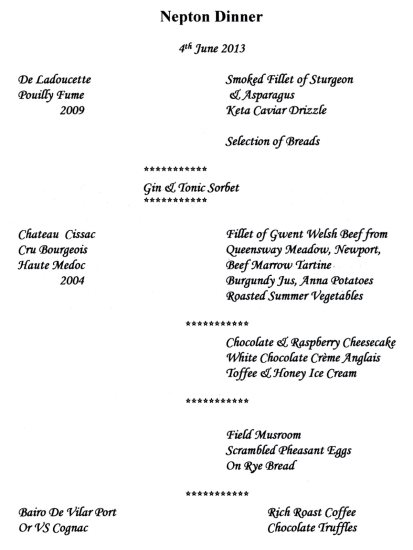
Nepton Dinner
June 2013, Armourers' Hall, London
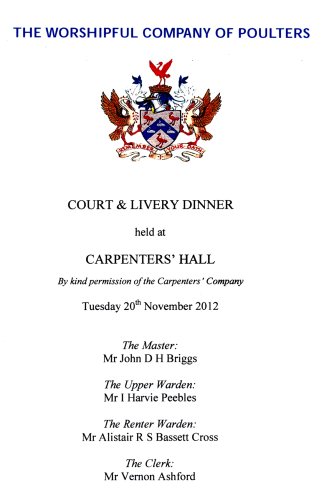
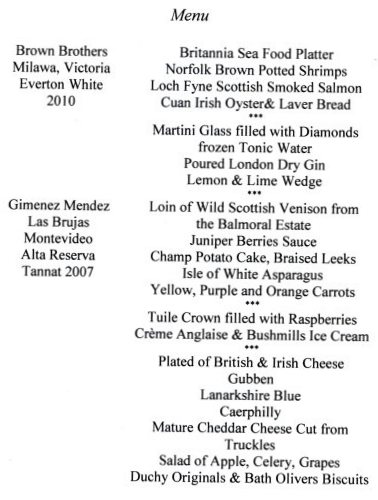
Court & Livery Dinner
November 2012, Carpenters' Hall, London
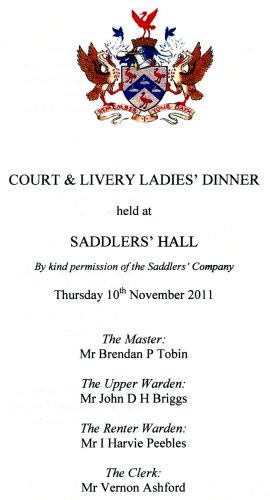
Court & Livery Ladies Dinner
November 2011, Saddlers' Hall, London
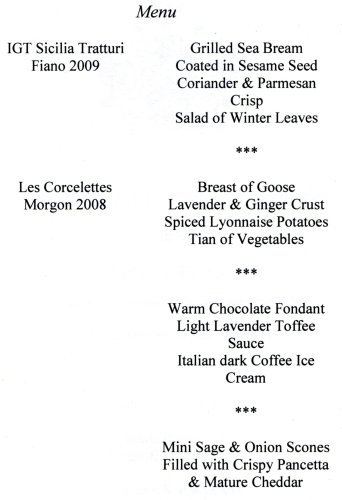
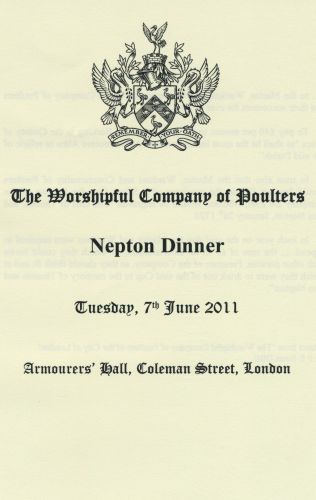
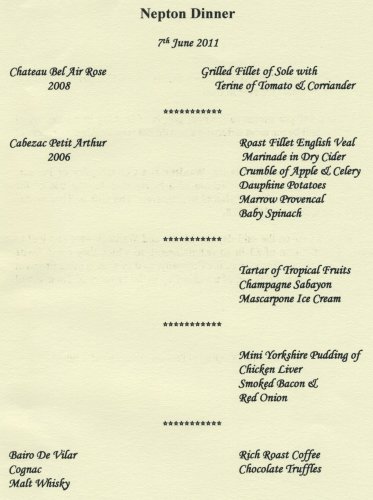
Nepton Dinner
June 2011, Armourers' Hall, London
The Tradition of the Nepton Distribution and Dinner
“. . . .to the Master, Wardens and Commonality of the
Company of Poulters and their successors for ever in trust:
To pay £40 per annum to the poor people of Barking in the County of Essex
‘as shall be the most industrious and do not receive Alms or reliefe of the
said Parish’
In trust also that the Master, Wardens and Commonality of Poulters should
lay out £40 in the purchase of a Silver Cup for the use of the Company for
ever, whereon should be engraven ‘The Gift of Thomas and Ann Nepton, January
26th 1728.
In each year on the said day the Master and Wardens were required to expend
.... the sum of £3 in an entertainment, to which they could invite such
other persons, Freemen of the Company, as they should think fit and at which
they were to drink out of the said Cup to the memory of Thomas and Ann
Nepton”.
Extract from ‘The Worshipful Company of Poulters of the City of London’
By P E Jones OBE
ORIGINS
Although trade associations no doubt existed among the
freemen and citizens in the City of London from before the Norman Conquest,
it was the attempts of the City authorities to regulate the sale of poultry
and particularly to enforce price rates that led to the creation of the
early Guild.
When King Edward I arrived in London in August 1274 he imposed strict rules
through the Mayor to assure the supply and price of 22 species of poultry
and it is known that in response the Poulters were meeting together by 1299
to appoint wardens for the protection and supervision of their trade. Within
a further 20 years, the Poulters had become so well organised that they
refused to accept the stipulated prices and closed their shops. Committal to
prison failed to intimidate them and the authorities were forced to release
them so that the population might be served and to accept that all
victuallers should sell their wares at reasonable prices. The continuing
robust defence of their trade by the Poulters incurred the displeasure from
time to time of the Mayor and Aldermen and resulted in various demotions but
the Company still managed to gain the position of thirty fourth in the order
of preference in the list of livery companies, which position it has held
for over four hundred years.
THE ARMS OF THE COMPANY OF POULTERS
The arms of the Company are first mentioned in 1587, but
were not recorded at the College of Heralds until 1634 when the following
description was recorded:
Argent on a chevron azure between three storks proper, as many swans argent.
Crest — on a mural coronet gules a stork with wings expanded proper.
Supporters — Two pelicans or, with wings addorsed, vulning their breasts
gules.